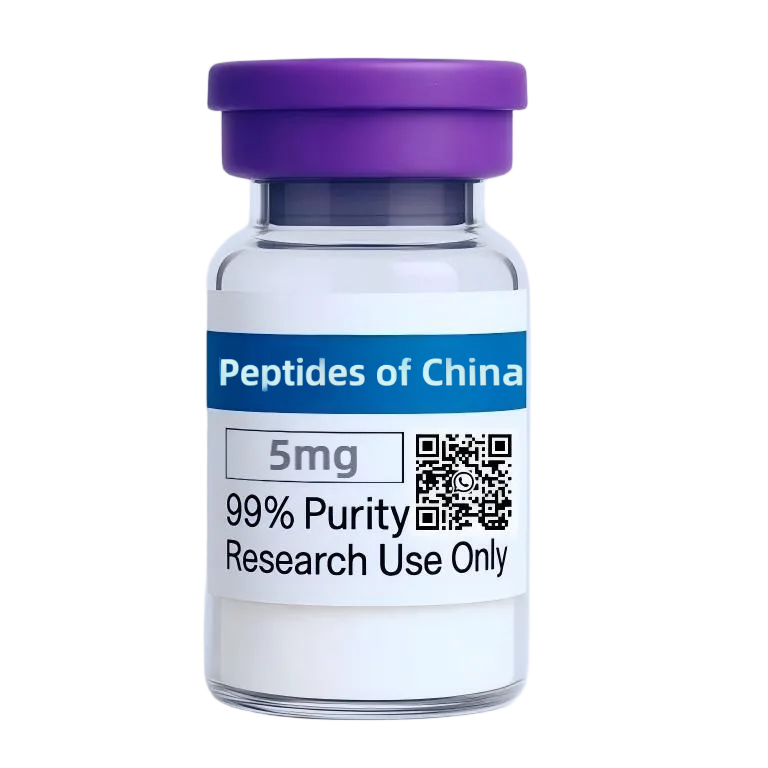
Endogenous tripeptide and primary intracellular antioxidant.
Glutathione is a research compound available through our china peptide catalog as a finished, lyophilized vial from an established Chinese manufacturer. It belongs to the Tripeptide thiol antioxidant (γ-glutamyl peptide) Sequence γ-Glu-Cys-Gly (non-standard γ-peptide bond at Glu)
Research Areas
Oxidative stress, hepatotoxicity models, neuroscience, immune cell biology, redox biochemistry
Available Variants
| Name | Strength | Pack Size | Purity | Availability |
|---|---|---|---|---|
| Glutathione | 1500 mg | 10 vials | — | In Stock |
| Glutathione | 1500 mg | 10 vials | ≥98% | In Stock |
Specification Highlights
Research Areas
Oxidative Stress and Redox Research GSH is the reference intracellular antioxidant in oxidative stress research. Studies measure the GSH/GSSG (reduced/oxidized) ratio as a redox status indicator in cell culture and tissue homogenates. BSO (buthionine sulfoximine)-induced GSH depletion is a standard model for oxidative stress induction, and GSH repletion experiments define the contribution of the glutathione system to cellular protection against H₂O₂, lipid peroxides, and electrophilic compounds. Glutathione peroxidase (GPx) and glutathione reductase (GR) activity assays use GSH as a substrate. Hepatotoxicity and Liver Research The liver contains the highest GSH concentrations of any tissue and is the primary site of glutathione synthesis and export to plasma. In hepatotoxicity research, GSH depletion — either by BSO treatment or reactive metabolite formation (e.g., acetaminophen-induced NAPQI) — and subsequent measurement of hepatocyte injury markers (ALT, LDH, caspase activity) are standard protocols. GSH repletion experiments define the threshold of GSH depletion required for cell death and the protective potential of various antioxidant interventions. Immune Cell Biology T lymphocyte activation, proliferation, and cytokine production are sensitive to intracellular GSH levels. Research has examined how GSH supplementation or depletion affects T cell receptor signaling, NF-κB activation, and cytokine profiles in antigen-stimulated lymphocyte cultures. Macrophage oxidative burst function — dependent on NADPH oxidase-derived ROS — is also studied in relationship to cellular GSH status, positioning glutathione as a tool in innate and adaptive immune research. ## Sourcing Glutathione From China
Glutathione is available through our platform as a china peptide sourced directly from an established Chinese manufacturer. Three points define how we handle it:
- Factory-direct, not trader-sourced. We confirm availability and specification with the manufacturer before the order is confirmed. There is no intermediary resale of unknown-origin vials in this catalog.
- Specification before shipment. The purity and concentration specification shown on this page is the manufacturer’s batch specification. Product-specific quality-control information travels with the order.
- Research-use discipline. Like every listing in our catalog, Glutathione is supplied for laboratory research use only, under strict research-use terms.
For buyers comparing chinese peptides suppliers, the practical test is whether the seller can name the manufacturer and show the batch documentation. We work the other way around: the manufacturer and the documentation are the offer. Browse the full catalog or see how sourcing works.
Available Variants
| Name | Strength | Pack Size | Purity | Availability |
|---|---|---|---|---|
| Glutathione | 1500 mg | 10 vials | — | In Stock |
| Glutathione | 1500 mg | 10 vials | ≥98% | In Stock |
Specification Highlights
Research Areas
Oxidative Stress and Redox Research GSH is the reference intracellular antioxidant in oxidative stress research. Studies measure the GSH/GSSG (reduced/oxidized) ratio as a redox status indicator in cell culture and tissue homogenates. BSO (buthionine sulfoximine)-induced GSH depletion is a standard model for oxidative stress induction, and GSH repletion experiments define the contribution of the glutathione system to cellular protection against H₂O₂, lipid peroxides, and electrophilic compounds. Glutathione peroxidase (GPx) and glutathione reductase (GR) activity assays use GSH as a substrate. Hepatotoxicity and Liver Research The liver contains the highest GSH concentrations of any tissue and is the primary site of glutathione synthesis and export to plasma. In hepatotoxicity research, GSH depletion — either by BSO treatment or reactive metabolite formation (e.g., acetaminophen-induced NAPQI) — and subsequent measurement of hepatocyte injury markers (ALT, LDH, caspase activity) are standard protocols. GSH repletion experiments define the threshold of GSH depletion required for cell death and the protective potential of various antioxidant interventions. Immune Cell Biology T lymphocyte activation, proliferation, and cytokine production are sensitive to intracellular GSH levels. Research has examined how GSH supplementation or depletion affects T cell receptor signaling, NF-κB activation, and cytokine profiles in antigen-stimulated lymphocyte cultures. Macrophage oxidative burst function — dependent on NADPH oxidase-derived ROS — is also studied in relationship to cellular GSH status, positioning glutathione as a tool in innate and adaptive immune research.
Compound Profile
Glutathione (GSH) is the most abundant intracellular low-molecular-weight thiol and the primary antioxidant buffer in mammalian cells, present at millimolar concentrations in the cytosol, mitochondria, and nucleus. The tripeptide structure — γ-Glu-Cys-Gly — is synthesized in two ATP-dependent enzymatic steps by glutamate-cysteine ligase (GCL, rate-limiting) and glutathione synthetase (GS). The cysteine thiol (–SH) is the redox-active center, enabling glutathione to reduce disulfide bonds, scavenge free radicals, conjugate electrophilic compounds via glutathione-S-transferases, and serve as the substrate for glutathione peroxidases (GPx) protecting against lipid peroxidation and hydrogen peroxide. Research applications for glutathione span oxidative stress biology, liver research, immune function, and neuroscience. In hepatocyte research, GSH is the primary defense against oxidative hepatotoxicity — liver cells maintain high cytosolic GSH concentrations, and depletion models (using BSO or acetaminophen) followed by GSH repletion experiments are standard in hepatotoxicity research. In neurological research, brain GSH depletion has been studied in models of Parkinson’s disease, where substantia nigra GSH deficiency is an early biochemical finding. Immunologically, T cell activation and proliferation are sensitive to intracellular GSH levels, making glutathione a tool in immune cell biology research. Peptides of China supplies reduced glutathione (GSH) as a lyophilized powder at 99%+ purity, verified by HPLC. Every batch is tested by the manufacturer for purity and concentration as part of routine quality control. All products are for laboratory research use only and are not for human consumption.
Profile
Sequence γ-Glu-Cys-Gly (non-standard γ-peptide bond at Glu)
Research Areas
Oxidative stress, hepatotoxicity models, neuroscience, immune cell biology, redox biochemistry
Available Variants
| Name | Strength | Pack Size | Purity | Availability |
|---|---|---|---|---|
| Glutathione | 1500 mg | 10 vials | — | In Stock |
| Glutathione | 1500 mg | 10 vials | ≥98% | In Stock |
Specification Highlights
Research Areas
Oxidative Stress and Redox Research GSH is the reference intracellular antioxidant in oxidative stress research. Studies measure the GSH/GSSG (reduced/oxidized) ratio as a redox status indicator in cell culture and tissue homogenates. BSO (buthionine sulfoximine)-induced GSH depletion is a standard model for oxidative stress induction, and GSH repletion experiments define the contribution of the glutathione system to cellular protection against H₂O₂, lipid peroxides, and electrophilic compounds. Glutathione peroxidase (GPx) and glutathione reductase (GR) activity assays use GSH as a substrate. Hepatotoxicity and Liver Research The liver contains the highest GSH concentrations of any tissue and is the primary site of glutathione synthesis and export to plasma. In hepatotoxicity research, GSH depletion — either by BSO treatment or reactive metabolite formation (e.g., acetaminophen-induced NAPQI) — and subsequent measurement of hepatocyte injury markers (ALT, LDH, caspase activity) are standard protocols. GSH repletion experiments define the threshold of GSH depletion required for cell death and the protective potential of various antioxidant interventions. Immune Cell Biology T lymphocyte activation, proliferation, and cytokine production are sensitive to intracellular GSH levels. Research has examined how GSH supplementation or depletion affects T cell receptor signaling, NF-κB activation, and cytokine profiles in antigen-stimulated lymphocyte cultures. Macrophage oxidative burst function — dependent on NADPH oxidase-derived ROS — is also studied in relationship to cellular GSH status, positioning glutathione as a tool in innate and adaptive immune research.