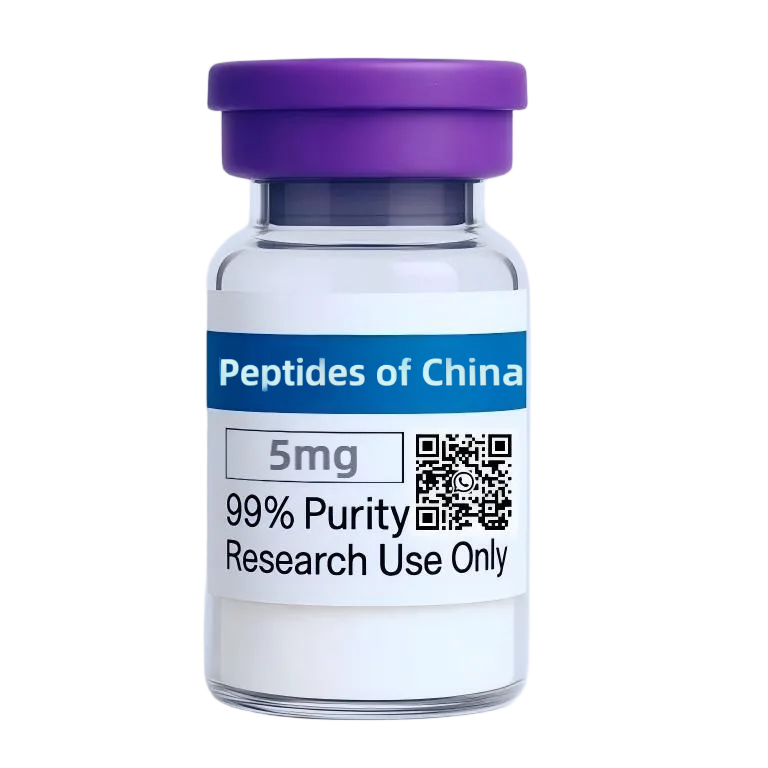
Compounded lipotropic injectable containing L-Carnitine 20mg, L-Arginine 20mg, Methionine 25mg, Inositol 50mg, Choline 50mg, B6 (Pyridoxine) 25mg, B5 (Dexpanthenol) 25mg, and B12 (Methylcobalamin) 1mg
lipo-c-216 is a research compound available through our china peptide catalog as a finished, lyophilized vial from an established Chinese manufacturer. It belongs to the Comprehensive lipotropic + B-vitamin injectable combination
Research Areas
Hepatic lipid metabolism, one-carbon methylation, mitochondrial fatty acid transport, nitric oxide biology, B-vitamin cofactor research
Available Variants
| Name | Strength | Pack Size | Purity | Availability |
|---|---|---|---|---|
| Lipo-C 216 | 10 ml | 10 vials | >=98% | In Stock |
Specification Highlights
Quality & Testing
Testing method: HPLC / LC-MS . Products are supplied against the specification shown on the applicable product page. The standard catalog purity specification is ≥98% unless otherwise stated. Product-specific specifications and quality-control information may vary by compound and batch. Every batch is tested by the manufacturer for purity and concentration as part of routine quality control, using methods such as HPLC and LC-MS. These results are kept in the manufacturer’s internal quality-control records and are not issued as a separate certificate or document.
Research Areas
One-Carbon Methylation Cycle Research Methionine → SAM → homocysteine → remethylation by B12/folate: the one-carbon methylation cycle is the central research target of the MIC components. Lipo-C 216 provides Methionine (the methyl donor substrate), B12 (Methylcobalamin, the active form for homocysteine remethylation), and B6 (Pyridoxine, cofactor for transamination and cystathionine synthesis). Research examines SAM availability, homocysteine levels, and downstream methylation endpoints (DNA methylation, histone marks) under methyl donor supplementation conditions. Nitric Oxide Pathway Research L-Arginine is the direct substrate for all three nitric oxide synthase isoforms (eNOS, nNOS, iNOS) — its availability limits NO production in L-arginine-restricted cell models. Lipo-C 216 provides L-Arginine alongside the lipotropic components, making it suitable for research examining the intersection of NO signaling and hepatic/metabolic biology. eNOS activation in vascular endothelial cells, iNOS induction in macrophage models, and urea cycle flux (arginase pathway versus NOS pathway competition) are standard endpoints. ## Sourcing lipo-c-216 From China
lipo-c-216 is available through our platform as a china peptide sourced directly from an established Chinese manufacturer. Three points define how we handle it:
- Factory-direct, not trader-sourced. We confirm availability and specification with the manufacturer before the order is confirmed. There is no intermediary resale of unknown-origin vials in this catalog.
- Specification before shipment. The purity and concentration specification shown on this page is the manufacturer’s batch specification. Product-specific quality-control information travels with the order.
- Research-use discipline. Like every listing in our catalog, lipo-c-216 is supplied for laboratory research use only, under strict research-use terms.
For buyers comparing chinese peptides suppliers, the practical test is whether the seller can name the manufacturer and show the batch documentation. We work the other way around: the manufacturer and the documentation are the offer. Browse the full catalog or see how sourcing works.
Available Variants
| Name | Strength | Pack Size | Purity | Availability |
|---|---|---|---|---|
| Lipo-C 216 | 10 ml | 10 vials | >=98% | In Stock |
Specification Highlights
Quality & Testing
Testing method: HPLC / LC-MS . Products are supplied against the specification shown on the applicable product page. The standard catalog purity specification is ≥98% unless otherwise stated. Product-specific specifications and quality-control information may vary by compound and batch. Every batch is tested by the manufacturer for purity and concentration as part of routine quality control, using methods such as HPLC and LC-MS. These results are kept in the manufacturer’s internal quality-control records and are not issued as a separate certificate or document.
Research Areas
One-Carbon Methylation Cycle Research Methionine → SAM → homocysteine → remethylation by B12/folate: the one-carbon methylation cycle is the central research target of the MIC components. Lipo-C 216 provides Methionine (the methyl donor substrate), B12 (Methylcobalamin, the active form for homocysteine remethylation), and B6 (Pyridoxine, cofactor for transamination and cystathionine synthesis). Research examines SAM availability, homocysteine levels, and downstream methylation endpoints (DNA methylation, histone marks) under methyl donor supplementation conditions. Nitric Oxide Pathway Research L-Arginine is the direct substrate for all three nitric oxide synthase isoforms (eNOS, nNOS, iNOS) — its availability limits NO production in L-arginine-restricted cell models. Lipo-C 216 provides L-Arginine alongside the lipotropic components, making it suitable for research examining the intersection of NO signaling and hepatic/metabolic biology. eNOS activation in vascular endothelial cells, iNOS induction in macrophage models, and urea cycle flux (arginase pathway versus NOS pathway competition) are standard endpoints.
Compound Profile
Lipo-C 216 is a compounded lipotropic injectable formulation containing L-Carnitine 20 mg, L-Arginine 20 mg, Methionine 25 mg, Inositol 50 mg, Choline 50 mg, B6 (Pyridoxine) 25 mg, B5 (Dexpanthenol) 25 mg, and B12 (Methylcobalamin) 1 mg per ml. It is a comprehensive B-vitamin and lipotropic combination targeting hepatic lipid metabolism, one-carbon methylation, mitochondrial fatty acid transport, and nitric oxide pathway research. The formulation’s breadth covers multiple metabolic intersections: L-Carnitine provides the mitochondrial fatty acid transport shuttle; Methionine is the primary methyl donor via SAM cycle; Inositol serves as phospholipid precursor and insulin signaling modulator; Choline supports phosphatidylcholine synthesis for VLDL-mediated hepatic fat export; L-Arginine is the primary substrate for nitric oxide synthase (eNOS, nNOS, iNOS) and a urea cycle intermediate; B6, B5, and B12 serve as essential cofactors for transamination reactions, CoA biosynthesis, and homocysteine remethylation respectively. Peptides of China supplies Lipo-C 216 as a sterile liquid formulation with component concentrations verified by the manufacturer per batch. For laboratory research use only.
Profile
Components per ml L-Carnitine 20 mg, L-Arginine 20 mg, Methionine 25 mg, Inositol 50 mg, Choline 50 mg, B6 25 mg, B5 25 mg, B12 (Methylcobalamin) 1 mg
Research Areas
Hepatic lipid metabolism, one-carbon methylation, mitochondrial fatty acid transport, nitric oxide biology, B-vitamin cofactor research
Available Variants
| Name | Strength | Pack Size | Purity | Availability |
|---|---|---|---|---|
| Lipo-C 216 | 10 ml | 10 vials | >=98% | In Stock |
Specification Highlights
Quality & Testing
Testing method: HPLC / LC-MS . Products are supplied against the specification shown on the applicable product page. The standard catalog purity specification is ≥98% unless otherwise stated. Product-specific specifications and quality-control information may vary by compound and batch. Every batch is tested by the manufacturer for purity and concentration as part of routine quality control, using methods such as HPLC and LC-MS. These results are kept in the manufacturer’s internal quality-control records and are not issued as a separate certificate or document.
Research Areas
One-Carbon Methylation Cycle Research Methionine → SAM → homocysteine → remethylation by B12/folate: the one-carbon methylation cycle is the central research target of the MIC components. Lipo-C 216 provides Methionine (the methyl donor substrate), B12 (Methylcobalamin, the active form for homocysteine remethylation), and B6 (Pyridoxine, cofactor for transamination and cystathionine synthesis). Research examines SAM availability, homocysteine levels, and downstream methylation endpoints (DNA methylation, histone marks) under methyl donor supplementation conditions. Nitric Oxide Pathway Research L-Arginine is the direct substrate for all three nitric oxide synthase isoforms (eNOS, nNOS, iNOS) — its availability limits NO production in L-arginine-restricted cell models. Lipo-C 216 provides L-Arginine alongside the lipotropic components, making it suitable for research examining the intersection of NO signaling and hepatic/metabolic biology. eNOS activation in vascular endothelial cells, iNOS induction in macrophage models, and urea cycle flux (arginase pathway versus NOS pathway competition) are standard endpoints.