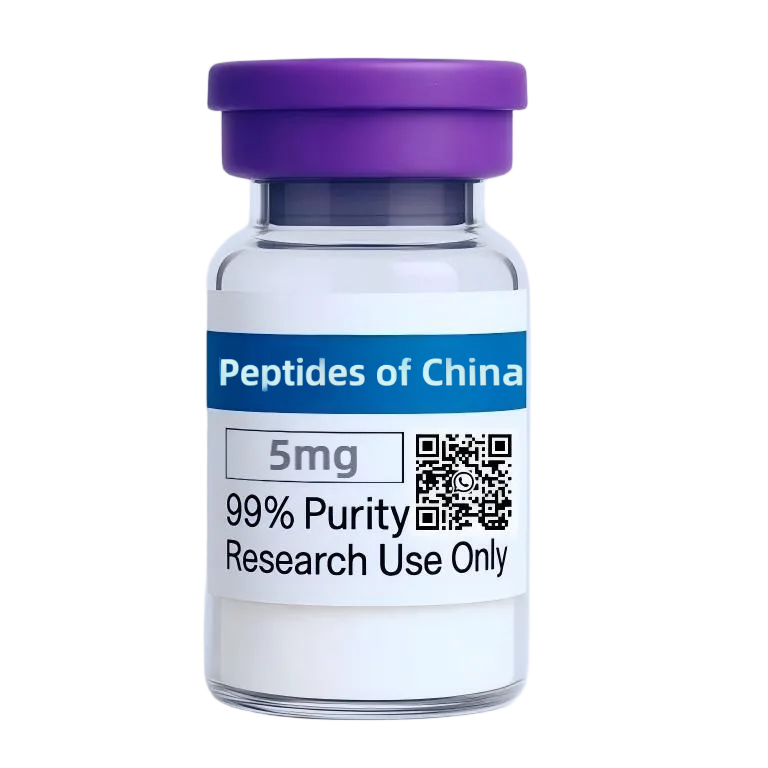
Urinary-derived human menopausal gonadotropin containing FSH and LH activity. Investigated in reproductive endocrinology research for folliculogenesis and spermatogenesis models.
HMG is a research compound available through our china peptide catalog as a finished, lyophilized vial from an established Chinese manufacturer. It belongs to the Urinary gonadotropin preparation (glycoprotein hormone mixture)
Research Areas
Reproductive endocrinology, folliculogenesis, superovulation protocols, fertility biology, gonadotropin pharmacology
Available Variants
| Name | Strength | Pack Size | Purity | Availability |
|---|---|---|---|---|
| HMG | 75 IU | 10 vials | ≥98% | In Stock |
| HMG | 75 IU | 10 vials | — | In Stock |
Specification Highlights
Quality & Testing
Testing method: HPLC / LC-MS . Products are supplied against the specification shown on the applicable product page. The standard catalog purity specification is ≥98% unless otherwise stated. Product-specific specifications and quality-control information may vary by compound and batch. Every batch is tested by the manufacturer for purity and concentration as part of routine quality control, using methods such as HPLC and LC-MS. These results are kept in the manufacturer’s internal quality-control records and are not issued as a separate certificate or document.
Variant Notes
Gonadotropin complex with follicle-stimulating and luteinizing activity. Used in studies of reproductive endocrinology, gonadotropin receptor signalling, and regulation of gonadal function.
Research Areas
Folliculogenesis and Ovarian Stimulation Research FSH is the primary driver of follicular development — stimulating granulosa cell proliferation, aromatase expression, and estradiol production in developing follicles. Research using HMG in rodent and large animal models has characterized the dose-response relationship between exogenous gonadotropin levels and follicle number, size distribution, estradiol output, and oocyte quality. These studies contribute to understanding of FSH signaling thresholds and follicular response heterogeneity. Superovulation Protocols in Developmental Biology Rodent superovulation using HMG (to stimulate follicular development) followed by hCG (to trigger ovulation) is the standard protocol for producing large oocyte cohorts in mice and rats for in vitro fertilization, embryo manipulation, and developmental biology research. Research has optimized HMG dose, timing, and mouse strain for maximal oocyte yield and quality, and examined how superovulation affects epigenetic markers in resulting embryos. Gonadotropin Receptor Pharmacology HMG provides a biologically active mixed FSH/LH preparation for studying FSHR and LHR receptor pharmacology in cell culture systems. Recombinant FSH and LH are used for receptor-selective studies; HMG is used when physiological co-stimulation is the research requirement. Research has examined how combined FSHR and LHR signaling in granulosa and luteal cells differs from selective receptor activation in terms of cAMP kinetics, steroidogenesis gene expression, and anti-apoptotic signaling. ## Sourcing HMG From China
HMG is available through our platform as a china peptide sourced directly from an established Chinese manufacturer. Three points define how we handle it:
- Factory-direct, not trader-sourced. We confirm availability and specification with the manufacturer before the order is confirmed. There is no intermediary resale of unknown-origin vials in this catalog.
- Specification before shipment. The purity and concentration specification shown on this page is the manufacturer’s batch specification. Product-specific quality-control information travels with the order.
- Research-use discipline. Like every listing in our catalog, HMG is supplied for laboratory research use only, under strict research-use terms.
For buyers comparing chinese peptides suppliers, the practical test is whether the seller can name the manufacturer and show the batch documentation. We work the other way around: the manufacturer and the documentation are the offer. Browse the full catalog or see how sourcing works.
Available Variants
| Name | Strength | Pack Size | Purity | Availability |
|---|---|---|---|---|
| HMG | 75 IU | 10 vials | ≥98% | In Stock |
| HMG | 75 IU | 10 vials | — | In Stock |
Specification Highlights
Quality & Testing
Testing method: HPLC / LC-MS . Products are supplied against the specification shown on the applicable product page. The standard catalog purity specification is ≥98% unless otherwise stated. Product-specific specifications and quality-control information may vary by compound and batch. Every batch is tested by the manufacturer for purity and concentration as part of routine quality control, using methods such as HPLC and LC-MS. These results are kept in the manufacturer’s internal quality-control records and are not issued as a separate certificate or document.
Variant Notes
Gonadotropin complex with follicle-stimulating and luteinizing activity. Used in studies of reproductive endocrinology, gonadotropin receptor signalling, and regulation of gonadal function.
Research Areas
Folliculogenesis and Ovarian Stimulation Research FSH is the primary driver of follicular development — stimulating granulosa cell proliferation, aromatase expression, and estradiol production in developing follicles. Research using HMG in rodent and large animal models has characterized the dose-response relationship between exogenous gonadotropin levels and follicle number, size distribution, estradiol output, and oocyte quality. These studies contribute to understanding of FSH signaling thresholds and follicular response heterogeneity. Superovulation Protocols in Developmental Biology Rodent superovulation using HMG (to stimulate follicular development) followed by hCG (to trigger ovulation) is the standard protocol for producing large oocyte cohorts in mice and rats for in vitro fertilization, embryo manipulation, and developmental biology research. Research has optimized HMG dose, timing, and mouse strain for maximal oocyte yield and quality, and examined how superovulation affects epigenetic markers in resulting embryos. Gonadotropin Receptor Pharmacology HMG provides a biologically active mixed FSH/LH preparation for studying FSHR and LHR receptor pharmacology in cell culture systems. Recombinant FSH and LH are used for receptor-selective studies; HMG is used when physiological co-stimulation is the research requirement. Research has examined how combined FSHR and LHR signaling in granulosa and luteal cells differs from selective receptor activation in terms of cAMP kinetics, steroidogenesis gene expression, and anti-apoptotic signaling.
Compound Profile
HMG (Human Menopausal Gonadotropin) is a purified gonadotropin preparation derived from the urine of post-menopausal women, containing a mixture of FSH (follicle-stimulating hormone) and LH (luteinizing hormone) activity in approximately equal proportions. Post-menopausal urine contains elevated gonadotropin concentrations due to loss of ovarian feedback inhibition on the hypothalamic-pituitary axis. HMG preparations are standardized by bioassay to defined FSH and LH activity units, providing a clinically and experimentally relevant preparation that reproduces the combined gonadotropin stimulation required for full gonadal function. Research applications for HMG center on reproductive endocrinology, gonadal physiology, and fertility biology. In female models, FSH stimulates follicular development (granulosa cell proliferation, estradiol production, follicle growth), while LH triggers ovulation and luteinization. HMG provides simultaneous FSH and LH stimulation, which more closely models physiological gonadotropin co-stimulation than individual recombinant preparations. Rodent superovulation protocols using HMG followed by hCG (human chorionic gonadotropin — LH analogue) are standard research designs for producing large numbers of oocytes for assisted reproduction and developmental biology research. Peptides of China supplies HMG at standardized gonadotropin activity, verified by activity assay. Every batch is tested by the manufacturer for purity and concentration as part of routine quality control. All products are for laboratory research use only and are not for human consumption.
Profile
Research Areas
Reproductive endocrinology, folliculogenesis, superovulation protocols, fertility biology, gonadotropin pharmacology
Available Variants
| Name | Strength | Pack Size | Purity | Availability |
|---|---|---|---|---|
| HMG | 75 IU | 10 vials | ≥98% | In Stock |
| HMG | 75 IU | 10 vials | — | In Stock |
Specification Highlights
Quality & Testing
Testing method: HPLC / LC-MS . Products are supplied against the specification shown on the applicable product page. The standard catalog purity specification is ≥98% unless otherwise stated. Product-specific specifications and quality-control information may vary by compound and batch. Every batch is tested by the manufacturer for purity and concentration as part of routine quality control, using methods such as HPLC and LC-MS. These results are kept in the manufacturer’s internal quality-control records and are not issued as a separate certificate or document.
Variant Notes
Gonadotropin complex with follicle-stimulating and luteinizing activity. Used in studies of reproductive endocrinology, gonadotropin receptor signalling, and regulation of gonadal function.
Research Areas
Folliculogenesis and Ovarian Stimulation Research FSH is the primary driver of follicular development — stimulating granulosa cell proliferation, aromatase expression, and estradiol production in developing follicles. Research using HMG in rodent and large animal models has characterized the dose-response relationship between exogenous gonadotropin levels and follicle number, size distribution, estradiol output, and oocyte quality. These studies contribute to understanding of FSH signaling thresholds and follicular response heterogeneity. Superovulation Protocols in Developmental Biology Rodent superovulation using HMG (to stimulate follicular development) followed by hCG (to trigger ovulation) is the standard protocol for producing large oocyte cohorts in mice and rats for in vitro fertilization, embryo manipulation, and developmental biology research. Research has optimized HMG dose, timing, and mouse strain for maximal oocyte yield and quality, and examined how superovulation affects epigenetic markers in resulting embryos. Gonadotropin Receptor Pharmacology HMG provides a biologically active mixed FSH/LH preparation for studying FSHR and LHR receptor pharmacology in cell culture systems. Recombinant FSH and LH are used for receptor-selective studies; HMG is used when physiological co-stimulation is the research requirement. Research has examined how combined FSHR and LHR signaling in granulosa and luteal cells differs from selective receptor activation in terms of cAMP kinetics, steroidogenesis gene expression, and anti-apoptotic signaling.